Highly pathogenic avian influenza (H5N1) has jumped from birds into cats — and the main route is raw food. In December 2024 an Oregon house cat died after eating pet food that tested positive for H5N1, prompting a recall. By March 2025, New York City confirmed two domestic cats had died from the virus after eating raw poultry products (a Savage Cat Food recall followed).
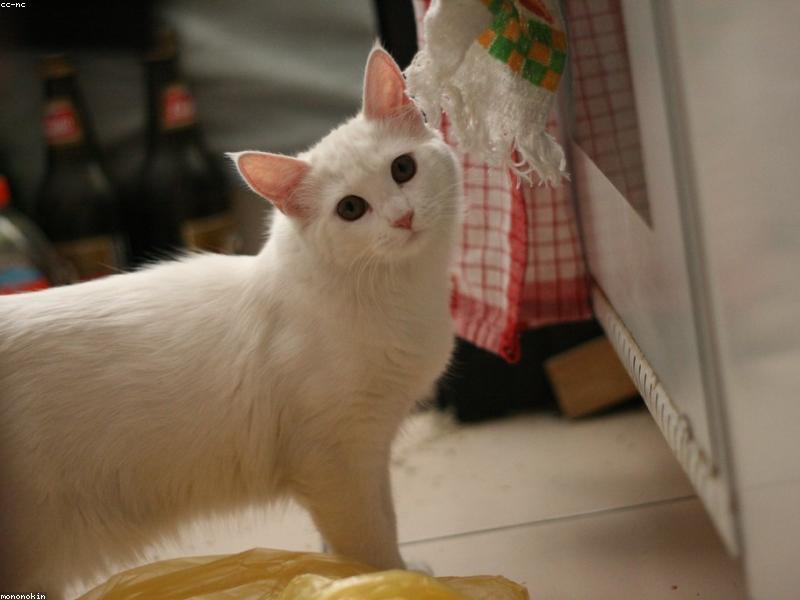
Cats are the companion animal most at risk. The CDC documented indoor cats in Michigan that died in 2024 after exposure linked to dairy workers' unpasteurized milk, and a Los Angeles County cluster of 19 cats fell ill in late 2024–early 2025 from raw milk, raw meat, or raw pet food — most died or were euthanized.
Signs are severe and fast: sudden lethargy, loss of appetite, fever, difficulty breathing, and neurologic signs such as tremors, incoordination, or seizures. The FDA notes dogs can also contract H5N1 but usually show milder signs and lower mortality than cats.
There is no H5N1 vaccine licensed for cats or dogs in the United States. The single biggest thing most indoor-cat owners can do is stop feeding uncooked poultry, meat, and unpasteurized dairy. Keep outdoor and barn cats away from sick or dead wild birds.
If your cat shows sudden neurologic or respiratory signs — especially after raw-food or raw-milk exposure — call your veterinarian immediately, mention the exposure, and isolate the animal. Tell the clinic ahead so they can prepare safely.