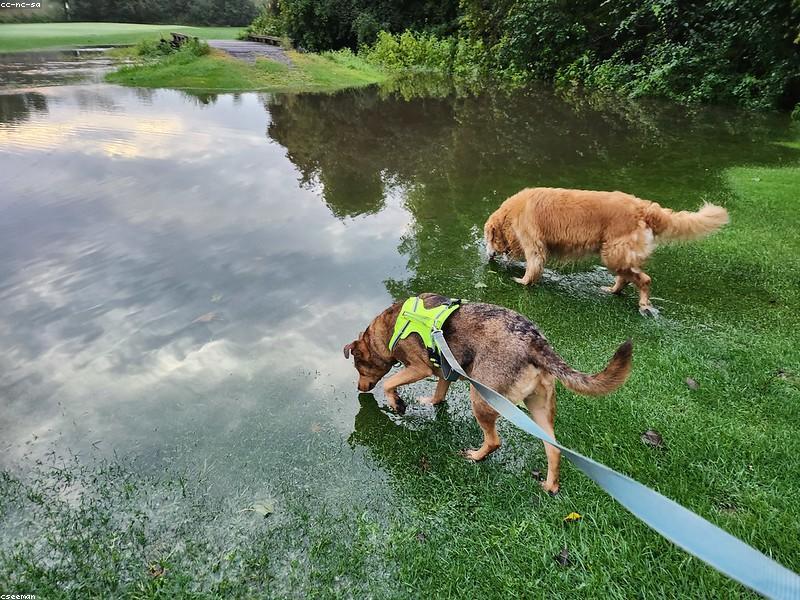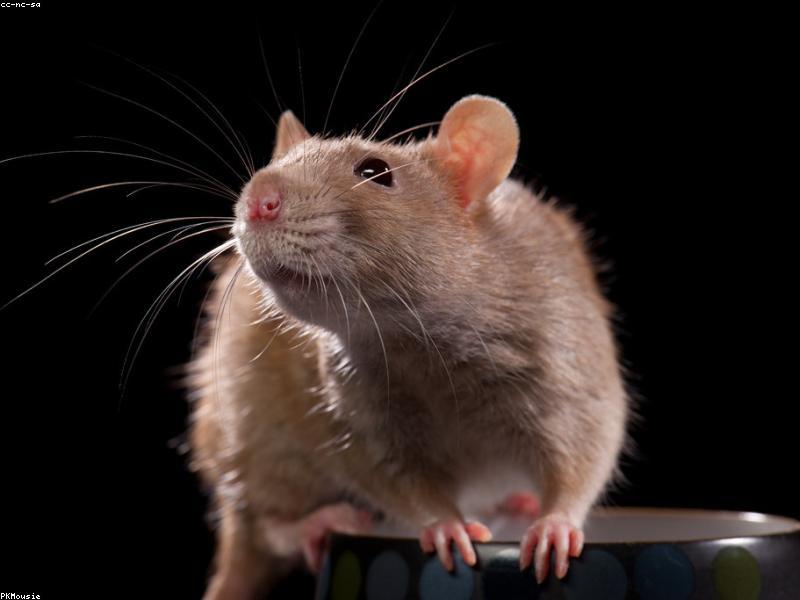
Leptospirosis is a bacterial disease spread through the urine of infected animals — rats, mice, cattle, pigs — that lingers in soil and standing water for weeks. It can cause kidney and liver failure in dogs and can be fatal if untreated. In February 2025, flood-ravaged North Queensland reported a sharp spike, with several dogs dying within days.
It is not just rural. New York City's 2024 canine leptospirosis surveillance found 33 dogs meeting the case definition — and none of the 23 with known vaccine history were currently vaccinated. The American Animal Hospital Association now lists the leptospirosis vaccine as core.
Signs are vague: lethargy, loss of appetite, vomiting, fever, abdominal pain, and sometimes yellowing of the eyes (jaundice). "All canine patients with acute kidney injury should be tested for leptospirosis," one veterinary emergency specialist urged.
The disease is zoonotic — it can pass to people through contact with an infected pet's urine. Pregnant women, infants, the elderly, and immunocompromised people face the highest human risk.
The good news: highly effective vaccines exist, and leptospirosis responds well to antibiotics when caught early. If your dog spends time outdoors, near rodents, or in standing water, ask your veterinarian about annual vaccination.