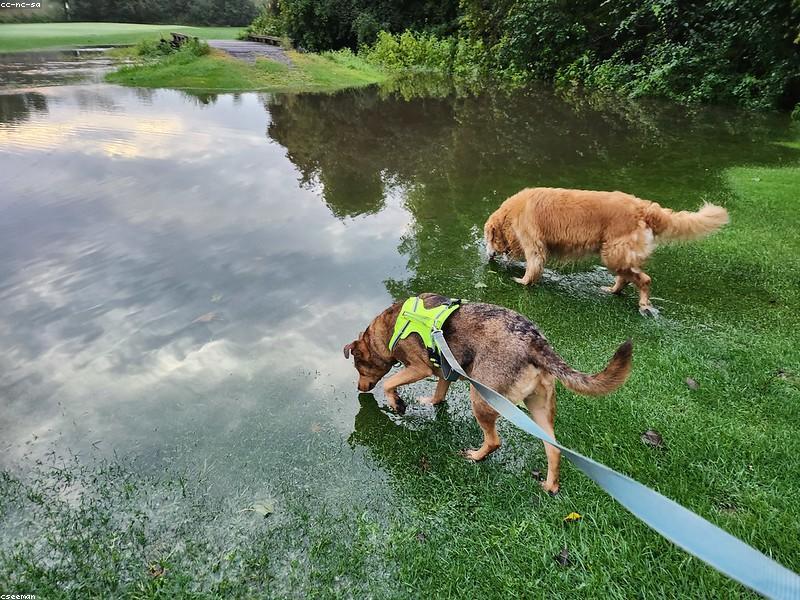
Cold tolerance varies by species, breed, and size. Small, short-coated, very young, and senior pets feel the chill fastest. Limit outdoor time in freezing weather and consider a well-fitted coat for short-legged or thin dogs.
Antifreeze is lethally attractive to pets — its sweet taste hides ethylene glycol, which causes rapid, fatal kidney failure. Clean up spills immediately and store containers tightly closed. Use pet-safe de-icers on walks.
Salted sidewalks irritate and burn paw pads. Wipe feet after every outing, check between toes for ice balls, and consider booties for long walks. Snow can mask familiar scents and let dogs wander lost.
Cars are danger zones: cats shelter under hoods for warmth, so bang the hood before starting. Never leave a pet in a parked car in freezing weather — hypothermia sets in fast.
Indoors, keep pets away from space heaters and open flames, and make sure they have a warm, draft-free bed raised off cold floors. Hydration and a balanced diet support a healthy winter coat.