Most people assume purring means a contented cat, and often it does. But cats also purr when injured, in labor, or at the vet — suggesting the rumble serves more than one purpose.
Purring is produced by rhythmic contraction of the larynx and diaphragm at roughly 25–150 Hz. Intriguingly, that frequency range is associated in studies with improved bone density and tissue healing — leading some researchers to call purring a low-cost self-repair system.
The low-frequency vibration may reduce pain and swelling and promote recovery. It's one reason a cat can seemingly bounce back from falls that would devastate other animals.
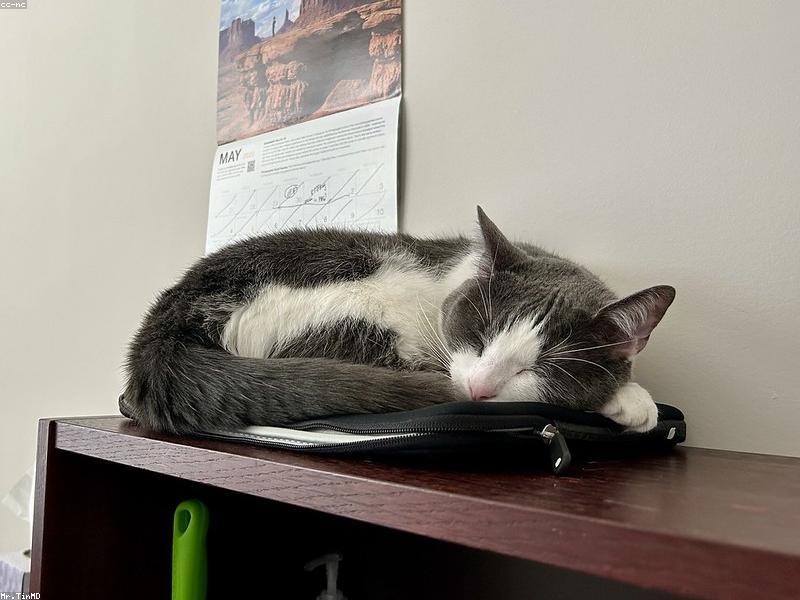
So when your cat curls up and purrs, it may be soothing both of you — and quietly tending its own body at the same time.