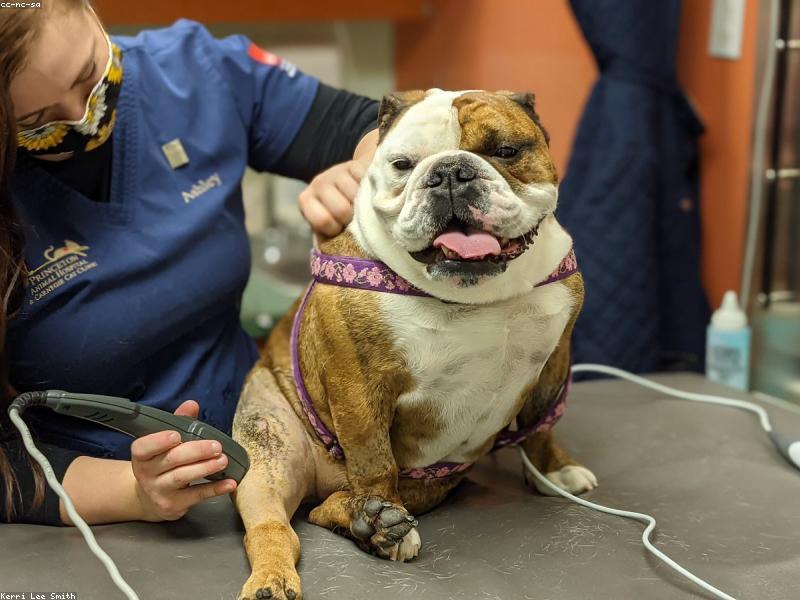
Published in PLoS ONE on January 17, 2024, the Dog Aging Project analyzed owner-reported disease histories from a large community cohort of companion dogs to ask a simple question: how does body size shape what ails a dog over its life?
The answer was clear and nuanced. Larger dogs had significantly higher lifetime prevalence of skin, orthopedic, gastrointestinal, ear/nose/throat, cancer, neurologic, endocrine, and infectious diseases. Smaller dogs were more prone to ocular, cardiac, liver/pancreas, and respiratory conditions.
These patterns align with the well-known fact that larger breeds have shorter lifespans. The study controlled for sex, purebred status, and region — and the size effects held.
Beyond curiosity, the work helps veterinarians anticipate which conditions to screen for in which dogs, and underscores that "one size fits all" doesn't apply to canine health. It also highlights why large-scale, open datasets like the Dog Aging Project matter.