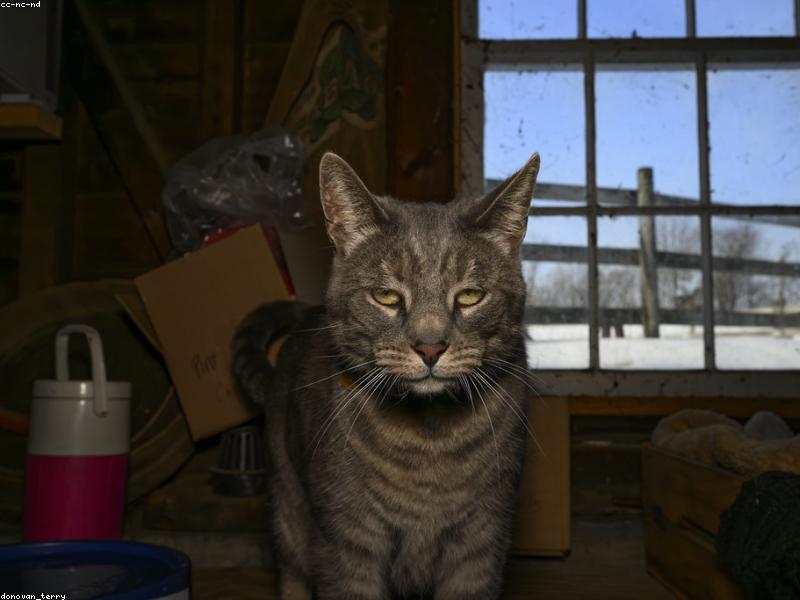
Cats are masters at concealing stress, so early cues are subtle. Watch for hiding more than usual, reduced appetite, or changes in litter-box habits.
Physical signals include dilated pupils, flattened ears, a low or tucked tail, and over-grooming that creates bald patches. Excessive vocalization or sudden aggression can also mark distress.
Environmental triggers are common: new pets, visitors, construction noise, or a dirty litter box. Identify and remove the stressor when possible.
Provide vertical escape routes (cat trees, shelves), safe hiding spots, and pheromone diffusers to help an anxious cat decompress.
If signs persist beyond a day or two, or your cat stops eating, contact a veterinarian — prolonged stress weakens immunity and can trigger urinary problems.