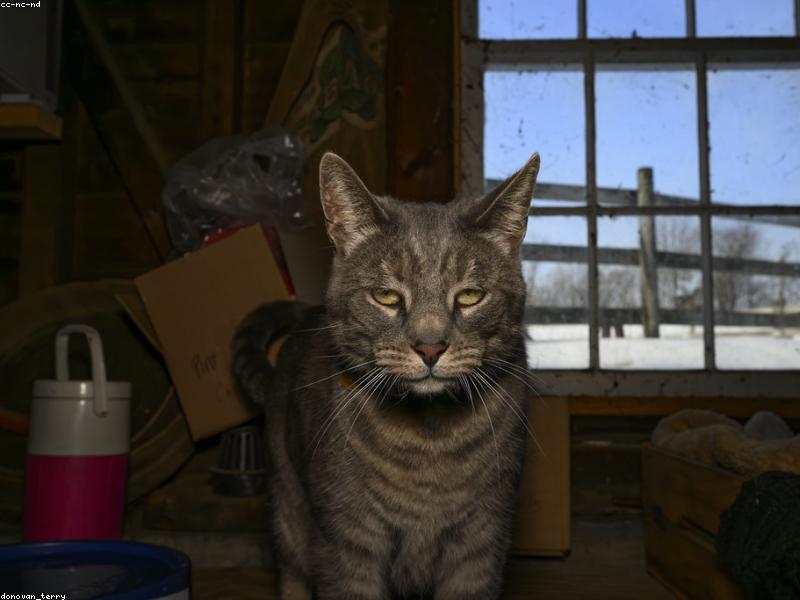
Cats are quietly expressive. A slow blink directed at you is the feline equivalent of a kiss — blink back to say "I trust you." Dilated pupils can mean excitement or fear; narrowed eyes usually signal contentment or focus.
The tail is a mood barometer. An upright tail with a soft curl at the tip is a friendly greeting. A puffed, bottle-brush tail means fear or agitation. A tail that thumps the floor rapidly often signals irritation — give your cat space.
Ear position tells its own story. Forward-facing ears show interest; flattened, sideways ears say "I'm scared or defensive." When a cat turns its head away or licks its nose repeatedly, it is often defusing tension and asking for calm.
Vocalization varies wildly by individual. Some cats chirp at birds; others meow only at humans. A low, rumbling growl or hiss is a clear boundary — respect it. Constant meowing near the food bowl, door, or litter box can signal a need or a health issue worth checking with your vet.
Reading body language prevents most scratches and bites. Watch the whole cat, not just one cue, and let their comfort level set the pace of interaction.